For more than a decade, a premier gold and silver plated jewellery manufacturer in Ambattur, Chennai, built a strong reputation serving global customers across plated goldware, silverware, electronic board parts, and automotive components. With a workforce of nearly 20–25 employees, the company had achieved what many small and medium manufacturing businesses aspire to: international demand, diversified industrial applications, and long-term market relevance.
Yet behind the company’s growth story was a serious operational challenge that threatened both its workforce and its future.
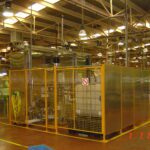
The plant operated in a closed-roof environment where hydrochloric acid (HCl) was regularly used as part of conventional electroplating processes. Like many businesses in the electroplating industry, the company depended heavily on hazardous mineral acids to maintain plating efficiency for zinc, nickel, and chromium finishing applications. Technically, the process worked. Commercially and operationally, however, the cracks were beginning to show.
Workers frequently complained about health discomfort, harsh fumes, and unsafe working conditions. Employee turnover became a constant issue. Staff rarely stayed long enough to become experienced operators, forcing the company into continuous manpower shortages and retraining cycles. At the same time, international clients increasingly demanded safer workplace standards, greener chemistry practices, and stronger environmental compliance measures.
The company had reached a defining moment.
The question was no longer simply about production efficiency. It became a question of mindset.
Table of Contents
The Shift from Survival Thinking to Sustainable Thinking
Many industrial businesses operate with a short-term mindset focused purely on output, pricing, and operational continuity. In traditional manufacturing sectors, especially electroplating, hazardous chemicals have long been accepted as “part of the industry.”
But global manufacturing is changing rapidly.
Today’s industrial buyers are no longer evaluating suppliers only on price and production quality. They are also examining environmental responsibility, worker safety, sustainability credentials, and ESG (Environmental, Social, and Governance) compliance. Large automotive, electronics, aerospace, and consumer goods companies are actively reshaping their supply chains to prioritize low-emission and environmentally responsible manufacturing partners.
This shift requires a completely different business mindset.
The Ambattur-based manufacturer realized that continuing with conventional acid systems would eventually create larger business risks than benefits. Rising environmental regulations, employee instability, compliance costs, health liabilities, and customer pressure were becoming impossible to ignore.
Instead of viewing sustainability as an expense, the company began seeing it as a long-term competitive advantage.
That mental shift changed everything.

The Hidden Costs of Conventional Electroplating
One of the biggest misconceptions in traditional electroplating operations is that hazardous acid systems are “cheaper” because the raw chemicals themselves are relatively inexpensive.
In reality, the true operational costs extend far beyond chemical purchasing.
Electroplating facilities using hydrochloric acid and sulfuric acid often spend heavily on:
- Effluent treatment systems
- Acid-resistant infrastructure
- Corrosion management
- Hazardous waste disposal
- Fume extraction systems
- Worker protection equipment
- Regulatory compliance processes
- Environmental audits and permits
- Maintenance downtime caused by chemical damage
These indirect costs silently reduce operating margins year after year.