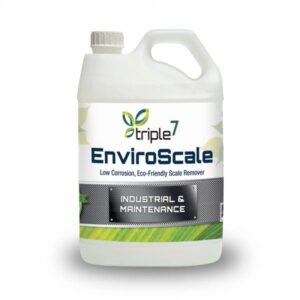
How a Chennai Electroplating Company Reduced Hazardous Acid Risks with EcoScale A Case Study on Sustainable Acid Replacement in Zinc and Nickel Electroplating
Case Study-35
- Home
- Case Studies
- EcoScale Case Study for Electroplating Industry
How a Chennai Electroplating Company Transformed Safety, Workforce Stability, and Global Growth Through Green Chemistry
Introduction
Electroplating industries across the world continue to face increasing pressure from environmental regulators, occupational safety authorities, and global customers demanding cleaner and more sustainable manufacturing practices.
While hydrochloric acid (HCl) and sulfuric acid (H₂SO₄) remain essential chemicals in zinc, nickel, and chrome plating operations, the operational burdens associated with these acids are becoming increasingly difficult to manage.
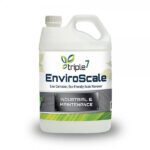
This case study examines how a leading electroplating company based near Chennai began transitioning toward safer and more sustainable surface activation chemistry using EcoScale, a bio-based acid replacement technology.
The project focused on reducing:
This case study examines how a leading electroplating company based near Chennai began transitioning toward safer and more sustainable surface activation chemistry using EcoScale, a bio-based acid replacement technology.
The project focused on reducing:
- Hazardous chemical exposure
- Corrosive acid fumes
- Infrastructure damage
- Environmental management complexity
- Worker safety risks
while maintaining the plating quality and production standards required by automotive and aerospace customers.
Company Background
The client is a well-established electroplating company based in Sriperumbudur near Chennai, Tamil Nadu.
With more than 20 years of operational experience, the company operates four manufacturing plants serving:
With more than 20 years of operational experience, the company operates four manufacturing plants serving:
- Automotive industries
- Engineering sectors
- Aerospace and aircraft component manufacturers
The organization specializes in:
- SS304 components
- SS316 components
- Steel parts
- Industrial alloys
- Aerospace-grade materials
Its operations are supported by:
- Automated electroplating systems
- Professional technical teams
- De-hydrogen embrittlement facilities
- ISO 9001-compliant quality systems
The company also maintains:
- TNPCB approvals
- Zero-discharge process commitments
- Strong environmental compliance standards
Despite these capabilities, the company continued facing a persistent challenge linked to its long-term use of hydrochloric acid.
The Industry Challenge
Like most electroplating operations, the company had depended on hydrochloric acid since the early years of operation.
Hydrochloric acid played a major role in:
Hydrochloric acid played a major role in:
- Rust removal
- Pickling
- Surface activation
- Oxide cleaning
- Coating preparation
Sulfuric acid was also used in plating chemistry due to:
- Excellent conductivity
- Improved current efficiency
- Stable plating performance
These acids helped the company achieve:
- High production speeds
- Strong coating adhesion
- Consistent plating quality
- Reduced rejection rates
For automotive and aerospace customers, coating consistency and corrosion resistance were critical requirements.
However, the operational hardships associated with mineral acids continued increasing over time.
However, the operational hardships associated with mineral acids continued increasing over time.
Operational Problems Faced
1. Corrosion and Infrastructure Damage
One of the biggest challenges involved acid-induced corrosion throughout the plants.
Hydrochloric acid fumes affected:
Hydrochloric acid fumes affected:
- Tanks
- Pipelines
- Exhaust systems
- Roofing structures
- Electrical systems
- Shop-floor infrastructure
The company was forced to invest continuously in:
- FRP systems
- PVC linings
- Corrosion-resistant coatings
- Specialized maintenance programs
Despite these investments, maintenance costs remained high.
Management recognized that corrosive atmospheric exposure was creating long-term operational inefficiencies.
Management recognized that corrosive atmospheric exposure was creating long-term operational inefficiencies.
2. Worker Safety Concerns
The company also faced increasing pressure regarding occupational safety.
Hydrochloric acid fumes created:
Hydrochloric acid fumes created:
- Respiratory discomfort
- Eye irritation
- Worker exposure risks
- Handling hazards
Even with:
- PPE systems
- Ventilation infrastructure
- Exhaust arrangements
- Safety procedures
the operational environment remained difficult to manage consistently.
As environmental awareness increased, workforce expectations regarding safer working conditions also evolved.
As environmental awareness increased, workforce expectations regarding safer working conditions also evolved.
3. Environmental Compliance Pressure
Environmental management became another major operational burden.
Wastewater generated from plating operations contained:
Wastewater generated from plating operations contained:
- Acidic residues
- Dissolved heavy metals
- Toxic contaminants
- Sludge
Maintaining compliance required:
- Effluent Treatment Plants (ETPs)
- Neutralization systems
- Air pollution control systems
- Chemical handling infrastructure
Management therefore began actively searching for safer alternatives capable of reducing hazardous chemical dependency.
The Search for an Alternative
The company evaluated several technologies from:
- Europe
- The United States
- International industrial chemical suppliers
Its objectives were clear:
- Reduce hazardous acid footprint
- Improve worker safety
- Lower corrosion-related damage
- Maintain plating quality
- Strengthen compliance readiness
After technical evaluation, the company began trialing EcoScale, a bio-based acid replacement technology.
The EcoScale Solution
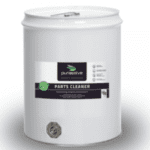
EcoScale is a renewable-resource-derived acid replacement chemistry developed for industrial cleaning and electroplating applications.
Unlike conventional mineral acids, EcoScale is:
Unlike conventional mineral acids, EcoScale is:
- Non-fuming
- Non-corrosive
- Derived from renewable resources
- Readily biodegradable
- Safe to handle
- Compatible with metals, plastics, and rubbers
The technology was evaluated specifically for:
- Zinc plating operations
- Nickel plating lines
- Surface activation applications
- Automotive-grade component preparation
Implementation Approach
The company adopted a gradual implementation strategy.
Rather than immediate full-scale replacement, EcoScale was introduced progressively into selected production lines while process parameters were stabilized.
The technical team adjusted:
Rather than immediate full-scale replacement, EcoScale was introduced progressively into selected production lines while process parameters were stabilized.
The technical team adjusted:
- Bath concentration
- Cleaning cycles
- Surface activation timing
- Process controls
This phased approach allowed the company to:
- Minimize production disruption
- Validate plating quality
- Optimize operational performance
Management emphasized that electroplating chemistry transitions require careful process engineering rather than direct chemical substitution alone.
Results Observed
1. Reduced Hazardous Fume Exposure
One of the first improvements observed was the reduction in aggressive acid fumes.
Because EcoScale is non-fuming:
Because EcoScale is non-fuming:
- Shop-floor air quality improved
- Acid vapor exposure reduced
- Worker comfort increased
- Equipment exposure decreased
This created a safer and more manageable operating environment across production areas.
2. Lower Corrosion Impact
The company also observed reduced corrosive impact on infrastructure.
Unlike hydrochloric acid, EcoScale does not aggressively attack:
Unlike hydrochloric acid, EcoScale does not aggressively attack:
- Metals
- Rubber systems
- Plastics
- Electrical surroundings
Management expects long-term improvements in:
- Equipment life
- Maintenance frequency
- Structural durability
- Exhaust system reliability
For multi-plant operations, these reductions could generate substantial lifecycle savings.
3. Improved Compliance Readiness
EcoScale’s biodegradable profile also supported the company’s environmental objectives.
The chemistry reduced concerns associated with:
The chemistry reduced concerns associated with:
- Hazardous acid storage
- Fume emissions
- Disposal handling
- Corrosive environmental exposure
For a company operating under strict customer and regulatory expectations, this represented an important strategic advantage.
4. Positive Workforce Response
The company reported encouraging employee response during the transition process.
Improved shop-floor conditions contributed to:
- Better worker acceptance
- Increased operational confidence
- Improved morale
- Stronger safety perception
Management recognized that workforce stability and safety culture are becoming increasingly important in modern manufacturing operations.
Management Perspective
According to the company’s leadership team, short-term chemical cost increases associated with sustainable alternatives can potentially be offset through:
- Reduced maintenance costs
- Better compliance performance
- Improved operational reliability
- Higher production efficiency
- Safer working environments
The company believes future competitiveness in electroplating will depend not only on coating quality but also on:
- Environmental responsibility
- Workplace safety
- Sustainable manufacturing capability
Key Takeaways
This case study demonstrates several important industry trends:
Electroplating companies are actively seeking safer alternatives
Environmental and safety pressures are accelerating the search for sustainable chemistry systems.
Hidden costs of conventional acids are significant
Corrosion, maintenance, safety systems, and compliance burdens often exceed direct chemical costs.
Sustainable chemistry requires process optimization
Successful implementation depends on technical adaptation and operational stabilization.
Workforce and compliance factors are becoming strategic priorities
Safer working conditions and environmental responsibility increasingly influence long-term operational success.
Conclusion
The electroplating industry continues to depend heavily on mineral acids for production efficiency and coating performance.
However, the operational hardships associated with hydrochloric and sulfuric acid systems are increasing steadily.
This case study highlights how a leading Chennai-region electroplating company has begun addressing these challenges through the adoption of EcoScale bio-based acid replacement technology.
By gradually transitioning toward safer and more sustainable chemistry systems, the company aims to:
However, the operational hardships associated with hydrochloric and sulfuric acid systems are increasing steadily.
This case study highlights how a leading Chennai-region electroplating company has begun addressing these challenges through the adoption of EcoScale bio-based acid replacement technology.
By gradually transitioning toward safer and more sustainable chemistry systems, the company aims to:
- Reduce hazardous chemical dependency
- Improve workplace safety
- Lower corrosion-related costs
- Strengthen environmental compliance
- Support long-term operational sustainability
As customer expectations and environmental regulations continue evolving, sustainable electroplating chemistry may soon become an essential requirement rather than a competitive advantage alone