Reducing Acid Consumption by Over 90% While Improving Safety and Compliance
Case Study-35
- Home
- Case Studies
- 90% Reduction in HCL Consumption and Improved Safety
How a 15-Year-Old Electroplating Company Reduced Acid Consumption by Over 90% While Improving Safety, Compliance, and Plant Durability
Introduction
Electroplating industries worldwide continue to rely heavily on hydrochloric acid (HCl) and sulfuric acid (H₂SO₄) for metal cleaning, oxide removal, and surface activation prior to zinc, nickel, and chromium plating operations. While these acids remain technically effective, they also create significant operational, environmental, and workforce-related challenges.
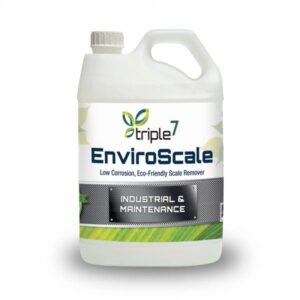
This case study examines how a 15-year-old electroplating company operating two large automated plating plants transformed its operations by replacing conventional hydrochloric acid systems with EcoScale, a bio-based acid replacement technology.
The transition resulted in:
This case study examines how a 15-year-old electroplating company operating two large automated plating plants transformed its operations by replacing conventional hydrochloric acid systems with EcoScale, a bio-based acid replacement technology.
The transition resulted in:
- More than 90% reduction in acid consumption
- Significant reduction in corrosive fumes
- Lower infrastructure damage
- Improved workforce morale
- Reduced environmental compliance burden
- Better customer perception
The case highlights how alternative chemistry systems are becoming increasingly relevant as electroplating industries face stricter environmental and occupational health regulations.
Company Background
The client is an established electroplating manufacturer with:
- Over 15 years of operational experience
- Two large automated plants
- More than 75 employees
- Zinc, nickel, and chromium electroplating lines
The company specialized in industrial plating applications requiring consistent surface preparation and coating quality.
Like most conventional electroplating facilities, the company relied extensively on hydrochloric acid for:
Like most conventional electroplating facilities, the company relied extensively on hydrochloric acid for:
- Surface activation
- Oxide removal
- Pickling operations
- Pre-treatment cleaning
At the time of evaluation, the plant consumed more than 5 tonnes of hydrochloric acid during regular operations.
The Operational Challenges
Over time, the company began experiencing escalating operational and maintenance problems directly linked to hydrochloric acid usage.
1. Infrastructure Corrosion
Hydrochloric acid fumes created severe corrosion throughout the facility.
The following assets showed continuous deterioration:
The following assets showed continuous deterioration:
- Roofing structures
- Windows and shutters
- Electrical panels
- Masonry surfaces
- Exhaust systems
- Metal handling equipment
- Structural steel components
The highly volatile nature of HCl meant that acid vapors continuously spread across production areas, attacking exposed surfaces and accelerating corrosion rates.
Frequent repairs became necessary, increasing maintenance expenditure and causing operational disruptions.
Frequent repairs became necessary, increasing maintenance expenditure and causing operational disruptions.
2. Acid Fumes and Workplace Conditions
One of the company’s biggest concerns was the aggressive fuming behavior of hydrochloric acid.
Open bath operations generated continuous acid vapors that:
Open bath operations generated continuous acid vapors that:
- Reduced air quality
- Created unpleasant working conditions
- Increased worker discomfort
- Raised safety concerns
- Contributed to employee dissatisfaction
Management observed growing workforce challenges, including:
- High staff turnover
- Reduced employee morale
- Recruitment difficulties
- Increased absenteeism
The company recognized that acid-related workplace conditions were beginning to affect long-term operational stability.
3. Environmental Compliance Pressure
The company also faced increasing scrutiny from environmental and occupational health authorities.
Wastewater from electroplating operations contained:
Wastewater from electroplating operations contained:
- Acidic residues
- Heavy metals
- Sludge
- Elevated TDS levels
- High COD/BOD loads
As compliance standards tightened, the company experienced rising costs associated with:
- Effluent treatment
- Neutralization chemicals
- Hazardous sludge disposal
- Air pollution control systems
- Emission monitoring
Hydrochloric acid disposal alone required significant sodium hydroxide (NaOH) usage for neutralization, creating additional sludge management burdens.
The Technical Limitations of Hydrochloric Acid
The company identified several technical inefficiencies associated with HCl usage.
Rapid Strength Loss
Hydrochloric acid is extremely volatile.
In practical operating conditions, the company observed that acid strength reduced significantly due to evaporation and fuming.
Depending on bath surface area and operating exposure:
In practical operating conditions, the company observed that acid strength reduced significantly due to evaporation and fuming.
Depending on bath surface area and operating exposure:
- HCl strength could reduce by 30–40% within hours
This instability created:
- Frequent chemical replenishment requirements
- Inconsistent bath chemistry
- Increased operating costs
- Variable surface activation quality
Uncontrolled Surface Action
Another concern involved the aggressive and relatively uncontrolled nature of hydrochloric acid reactions.
In many industrial environments, lower-grade or spent acids are often used due to cost considerations.
Such acid streams may contain:
In many industrial environments, lower-grade or spent acids are often used due to cost considerations.
Such acid streams may contain:
- Industrial by products
- Contaminants
- Variable chemical composition
This unpredictability can increase risks of:
- Uneven surface activation
- Excessive metal attack
- Pitting
- Surface inconsistency
The company wanted a more stable and controllable chemistry system.
The Search for an Alternative
Management began evaluating safer and more sustainable alternatives capable of maintaining:
- Effective surface activation
- Operational productivity
- Plating quality standards
The solution needed to:
- Reduce fuming
- Lower corrosion
- Improve environmental performance
- Reduce handling hazards
- Minimize acid consumption
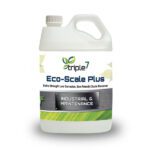
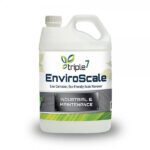
After technical trials and process evaluations, the company implemented EcoScale — a bio-based acid replacement technology.
The EcoScale Solution
EcoScale is a non-fuming, biodegradable, renewable-resource-derived acid replacement system developed for industrial cleaning and electroplating applications.
Unlike conventional mineral acids, EcoScale operates as an engineered acid complex containing:
Unlike conventional mineral acids, EcoScale operates as an engineered acid complex containing:
- Naturally derived lubricants
- Corrosion inhibitors
- Surface-active agents
- Exfoliating additives
- Renewable-resource chemistry
The technology was specifically evaluated for:
- Zinc plating operations
- Nickel plating lines
- Chrome pre-treatment processes
- Surface activation applications
Implementation Strategy
The transition to EcoScale involved process optimization rather than simple one-to-one chemical replacement.
To achieve equivalent activation performance, the company adjusted:
To achieve equivalent activation performance, the company adjusted:
- Bath concentration
- Operating temperature
- Agitation methods
- Process timing
Additional process support included:
- Air bubbling
- Mechanical media movement
- Ultrasonic assistance in selected operations
These modifications enabled EcoScale to achieve:
- Comparable surface activation
- Uniform cleaning behavior
- Controlled metal interaction
Results Achieved
1. Massive Reduction in Acid Consumption
The most immediate improvement was the reduction in acid usage.
Before EcoScale:
Before EcoScale:
- HCl consumption exceeded 5 tonnes
After EcoScale:
- Acid requirement reduced to approximately 400 litres
This represented a reduction of more than 90%.
The reduction was possible because:
The reduction was possible because:
- EcoScale functions effectively at low concentrations
- Typical operating dilution was approximately 5%
- HCl systems often required concentrations near 50%
Additionally, EcoScale’s non-fuming nature prevented continuous chemical loss through evaporation.
2. Improved Plant Environment
After implementation, the company observed a major improvement in workplace conditions.
Benefits included:
Benefits included:
- Reduced chemical odor
- Elimination of aggressive acid fumes
- Cleaner operating environment
- Improved worker comfort
- Better staff acceptance
Management reported positive changes in:
- Employee morale
- Worker retention
- Operational confidence
The reduction in corrosive airborne exposure also improved conditions for nearby equipment and finished goods.
3. Reduced Infrastructure Damage
Because EcoScale is non-corrosive toward many common industrial materials, the facility experienced noticeable reductions in:
- Roof corrosion
- Equipment rusting
- Structural deterioration
- Damage to electrical systems
- Maintenance frequency
Unlike hydrochloric acid, EcoScale does not aggressively attack:
- Metals
- Rubbers
- Plastics
- Masonry surfaces
This significantly reduced hidden maintenance costs across the facility.
4. Easier Environmental Management
EcoScale also simplified several environmental management processes.
As a biodegradable chemistry system:
As a biodegradable chemistry system:
- Disposal burdens reduced significantly
- Neutralization requirements lowered
- Hazardous sludge generation decreased
The chemistry conforms to Modified Sturm 301A and 301B biodegradation standards, achieving approximately:
- 75–80% biodegradation within 27–30 days
In some cases, spent EcoScale solutions could be aerated and stabilized prior to final discharge treatment, reducing dependence on extensive chemical neutralization systems.
Although inorganic sludge and metal contaminants still required management, the overall ETP burden reduced substantially.
Although inorganic sludge and metal contaminants still required management, the overall ETP burden reduced substantially.
Safety Improvements
The company also achieved significant occupational safety benefits.
Compared to hydrochloric acid:
- Fume inhalation risks reduced
- Handling hazards decreased
- Storage risks lowered
- PPE dependency reduced
Basic industrial protective equipment remained recommended, but operations became substantially safer and more manageable for workers.
Key Takeaways
This case demonstrates that electroplating facilities can significantly reduce operational risk by transitioning away from conventional mineral acid systems.
The company achieved:
The company achieved:
- Lower acid consumption
- Reduced environmental burden
- Improved plant durability
- Better workforce conditions
- Enhanced compliance readiness
- Reduced maintenance exposure
Importantly, these improvements were achieved without compromising plating preparation effectiveness.
Conclusion
Electroplating industries are entering a period where sustainability, worker safety, environmental compliance, and operational durability are becoming equally as important as plating performance itself.
Traditional hydrochloric acid systems continue to deliver strong cleaning capability, but the hidden costs associated with:
Traditional hydrochloric acid systems continue to deliver strong cleaning capability, but the hidden costs associated with:
- Corrosion
- Fumes
- Compliance
- Disposal
- Workforce impact
- Infrastructure degradation
are becoming increasingly difficult to justify.
This case study demonstrates how bio-based acid replacement technologies like EcoScale can offer a commercially viable and operationally effective alternative for modern electroplating facilities.
For manufacturers seeking to reduce risk while improving environmental and operational performance, the shift toward alternative chemistry systems may no longer be optional — but inevitable.
This case study demonstrates how bio-based acid replacement technologies like EcoScale can offer a commercially viable and operationally effective alternative for modern electroplating facilities.
For manufacturers seeking to reduce risk while improving environmental and operational performance, the shift toward alternative chemistry systems may no longer be optional — but inevitable.