Green Chemistry for Safer Operations and Sustainable Growth
Case Study-36
- Home
- Case Studies
- Green Electroplating Practices for Sustainable Manufacturing
How a Chennai Electroplating Company Transformed Safety, Workforce Stability, and Global Growth Through Green Chemistry
Introduction
The global electroplating industry is undergoing a significant transformation driven by increasing environmental regulations, rising worker safety concerns, and growing customer expectations around sustainability. Traditional electroplating operations, long dependent on hazardous mineral acids such as hydrochloric acid (HCl) and sulfuric acid (H₂SO₄), are now facing mounting pressure to adopt safer and greener alternatives. This case study examines how a Chennai-based electroplating manufacturer successfully transitioned from conventional acid-based plating systems to a bio-based green chemistry solution. The transition not only improved workplace safety and workforce retention but also strengthened the company’s market positioning and long-term business sustainability. The company’s experience demonstrates how environmental responsibility can become a strategic business advantage rather than merely a compliance requirement.
Company Background
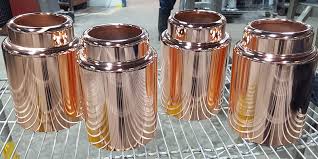
- Plated goldware
- Silverware
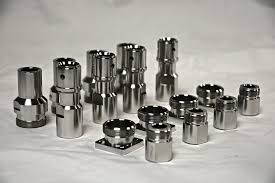
- Electronic board parts
- Automotive components
The Challenge
Like many electroplating facilities, the company relied heavily on hydrochloric acid for cleaning, activation, and surface preparation processes. While technically effective, the use of HCl created several critical operational problems.
1. Worker Health and Safety Concerns
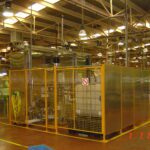
The electroplating process operated within a closed-roof plant environment where acid fumes and corrosive chemical exposure became serious workplace concerns. Employees frequently experienced:
- Respiratory discomfort
- Exposure to harsh fumes
- Poor workplace hygiene conditions
- Chemical handling risks
- Unsafe working environments
2. High Employee Turnover
Employees rarely stayed long enough to become experienced operators due to the challenging working conditions. The company continuously struggled with:
- Skilled labor shortages
- Frequent recruitment cycles
- Productivity disruptions
- Repeated retraining costs
- Reduced operational consistency
3. Increasing Customer Compliance Pressure
Customers increasingly requested:
- Safer workplace environments
- Sustainable manufacturing practices
- Reduced hazardous chemical usage
- Green chemistry adoption
- ESG compliance alignment
4. Rising Compliance and Operational Costs
The company faced growing costs related to:
- Effluent treatment systems
- Hazardous waste disposal
- Corrosion-related maintenance
- Acid-resistant infrastructure
- Fume extraction systems
- Worker safety management
- Environmental compliance processes
The Decision to Transition
Rather than viewing sustainability purely as a regulatory obligation, management identified it as a long-term business opportunity.
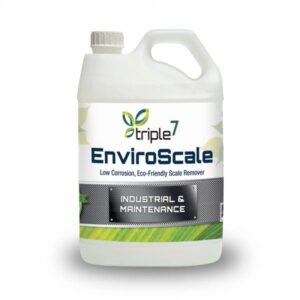
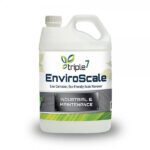
The company adopted Eco Scale, a bio-based acid replacement technology developed to eliminate many of the hazards associated with traditional mineral acids.
The objective was clear:
- Improve workplace safety
- Reduce hazardous exposure
- Stabilize workforce retention
- Strengthen compliance readiness
- Improve operational efficiency
- Enhance customer confidence
- Build a sustainable long-term manufacturing model
About Eco Scale Technology
Unlike traditional acid systems, Eco Scale offers several operational and environmental advantages.
Key Features
- Non-fuming
- Non-corrosive
- Derived from renewable resources
- Readily biodegradable
- Safe to handle
- No storage restrictions
- No disposal restrictions
- Compatible with metals, plastics, and rubbers
Implementation Process
The implementation process included:
Process Evaluation
Trial Runs and Validation
- Surface cleaning efficiency
- Plating quality
- Conductivity performance
- Production consistency
- Industrial reliability
Workforce Training
The reduced hazard profile of Eco Scale simplified chemical handling and improved worker confidence.
Customer Communication
This transparency strengthened customer trust and reinforced the company’s commitment to sustainable manufacturing.
Results and Business Impact
1. Improved Workplace Safety
The elimination of corrosive fumes and hazardous acid exposure created a cleaner and safer production environment.
Employees reported
- Reduced discomfort
- Better air quality
- Improved hygiene conditions
- Safer chemical handling experiences
2. Workforce Stability and Reduced Attrition
Following the transition:
- Employee complaints reduced
- Staff stability improved
- Retention rates increased
- Recruitment pressure decreased
- Operational consistency improved
This directly improved productivity and reduced manpower-related disruptions.
3. Reduced Maintenance and Corrosion Issues
With Eco Scale’s non-corrosive chemistry, the company experienced:
- Reduced equipment degradation
- Lower maintenance requirements
- Improved infrastructure longevity
- Reduced downtime risks
4. Lower Environmental and Compliance Burden
The company benefited from:
- Reduced hazardous waste management
- Lower chemical handling risks
- Simplified storage requirements
- Reduced environmental liabilities
- Improved sustainability positioning
5. Enhanced Market Positioning
Customers increasingly value environmentally responsible manufacturing partners, especially within global supply chains.
The adoption of green chemistry helped the company:
- Strengthen customer relationships
- Improve brand credibility
- Win additional business opportunities
- Expand plating service offerings
- Position itself as a future-ready supplier
Broader Industry Implications
Manufacturers worldwide are facing growing pressure due to:
- Rising environmental regulations
- ESG reporting requirements
- Customer sustainability demands
- Worker safety expectations
- Increasing compliance costs
- Toxic wastewater generation
- Hazardous sludge disposal
- Corrosion damage
- Worker exposure risks
- Long-term compliance costs
- Green manufacturing certifications
- Export advantages
- Sustainability incentives
- Preferred supplier status
- Long-term operational savings
Challenges of Green Electroplating Adoption
Manufacturers must carefully evaluate:
- Process compatibility
- Plating performance consistency
- Production speed requirements
- Customer qualification standards
- Initial implementation costs
- Technical validation needs
However, the long-term direction of global manufacturing increasingly favors sustainable and environmentally responsible processes.
Conclusion
By replacing hazardous acid systems with bio-based green chemistry, the company achieved measurable benefits including:
- Improved worker safety
- Reduced employee turnover
- Better workplace hygiene
- Lower maintenance risks
- Stronger customer confidence
- Enhanced market differentiation
- Improved long-term sustainability
The case highlights a critical lesson for the broader electroplating industry:
Sustainability is no longer optional. It is becoming a core requirement for long-term competitiveness, workforce stability, and global market relevance.
Manufacturers that proactively embrace green electroplating technologies today are likely to become the industry leaders of tomorrow.